Pool owners often want the same basic thing from maintenance: steady results they can trust. A pool does not need to look perfect every hour of the day, but it should stay clean enough that small issues do not turn into bigger ones. That is where automation becomes useful. Automated pool cleaning does not only reduce manual effort. It also helps create a more repeatable maintenance pattern. When cleaning becomes more regular, results usually become more predictable as well.
Predictability Matters More Than Many Pool Owners First Realize
To understand the value of automation, it helps to begin with the role predictability plays in everyday pool care.
A Clean Pool Is Not Just About One Good Day
Some pool owners judge maintenance by looking at the pool right after a cleaning session. If the floor looks clear and the water looks inviting, they feel the job was successful. That is reasonable, but it only tells part of the story.
A better question is whether the pool stays in good condition over time. A pool that looks clean for one day but quickly falls behind is harder to manage than a pool that remains stable through the week. Predictable maintenance is about reducing those swings. It helps the owner avoid the cycle of clean, neglected, then catch-up cleaning again.
Irregular Cleaning Often Creates Irregular Results
When cleaning depends fully on free time, energy, or weather, it often becomes inconsistent. One week the pool gets attention twice. The next week it may only get a quick check. That kind of variation affects the result. Leaves collect in corners. Fine dirt settles on the floor. Walls may begin to feel less clean than they look.
The pool then becomes harder to read and harder to manage. Owners stop knowing what to expect. Predictability matters because it makes pool care feel more controlled.
Automated Cleaning Creates a More Repeatable Routine
This is where automation starts to change the maintenance pattern in a practical way.
Repetition Is One of the Biggest Advantages
A predictable maintenance result usually comes from a repeatable process. Cleaning done at regular intervals tends to produce more stable outcomes than cleaning done only when someone finds the time. Automation supports that rhythm. It helps reduce the gap between when the pool needs attention and when that attention actually happens.
That repeated support can make a major difference in daily ownership. Debris has less time to build up. Dirt is less likely to spread across the pool floor. Small messes are more likely to stay small.
Consistency Usually Beats Occasional Heavy Effort
Many owners try to solve pool care problems with larger manual sessions. That may work in the short term, but it can be difficult to sustain. Heavy cleaning often feels like weekend catch-up work. It takes more time, more energy, and more attention.
Automated cleaning supports a different approach. Instead of waiting for a large mess to appear, it helps manage the pool in smaller, steadier steps. In most residential settings, that leads to more predictable results than occasional deep cleaning alone.
Automation Helps Reduce the Effect of Daily Variables
Pool conditions change all the time, so any system that improves stability has real value.
Debris Enters the Pool on Its Own Schedule
Leaves, dust, pollen, insects, and fine particles do not enter the pool according to the owner’s calendar. Wind can raise the cleaning load in one afternoon. Rain can bring in dirt from the surrounding area. Family use can leave behind more debris than expected.
Because of this, manual cleaning alone can feel reactive. The owner is always responding after the fact. Automation helps reduce that pattern. It keeps the pool under more regular control even when outside conditions shift from day to day.
More Stable Cleaning Leads to More Stable Expectations
When cleaning support is more regular, the owner can usually predict the pool’s condition more accurately. That matters for both convenience and planning. The pool is less likely to surprise the owner by looking much worse than expected before guests arrive or before a weekend swim.
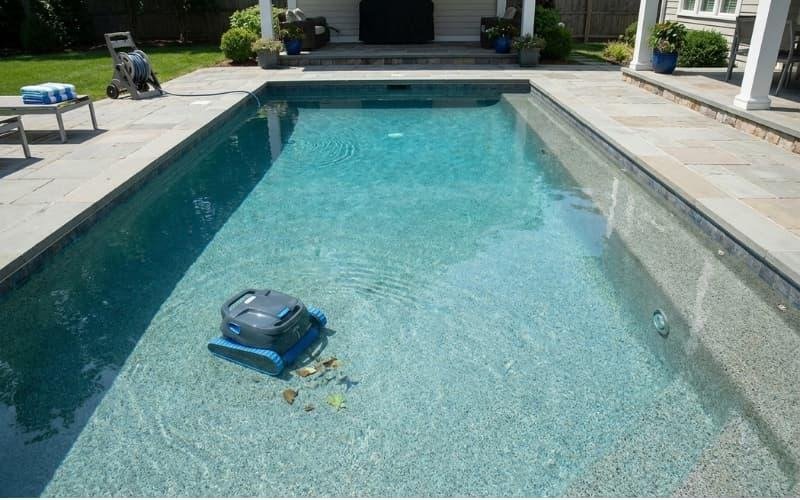
This is one reason a robotic automatic pool cleaner often appeals to owners who care about reliability as much as cleaning ability. The goal is not only to remove debris. It is to support a maintenance pattern that feels more dependable from one week to the next.
Predictable Results Also Mean Less Manual Correction
Automation becomes even more valuable when pool owners think beyond the cleaning cycle itself.
Less Follow-Up Work Is Part of Better Performance
A maintenance result should not only be judged by what the cleaner does during operation. It should also be judged by what the owner still has to do afterward. If the same corners always need extra brushing, or if floor debris returns too quickly, the maintenance result is less predictable than it may first appear.
More regular automated cleaning can help reduce that follow-up burden. It does not remove every maintenance task, but it often lowers the amount of manual correction needed to keep the pool in a comfortable condition.
Predictability Lowers Maintenance Stress
Pool care feels easier when owners know roughly what condition to expect. That mental effect should not be overlooked. A system that delivers more stable results can reduce uncertainty. Owners do not need to keep wondering whether the pool will need a major cleanup after a few busy days.
That lower stress level is part of what makes predictable maintenance valuable. It makes pool ownership feel more manageable.
Automated Cleaning Supports Better Long-Term Pool Habits
The long-term benefit of automation is not only cleaner water. It is also a healthier maintenance routine.
Good Habits Depend on Low Friction
A pool care routine works best when it is realistic enough to continue through busy weeks, weather changes, and shifting family schedules. The more friction a routine has, the easier it is to delay. That is when maintenance becomes uneven.
Automation supports better habits because it lowers part of that friction. It helps pool care happen with less dependence on perfect timing or extra motivation. That makes consistent upkeep more achievable.
Steady Upkeep Protects the Pool From Bigger Swings
Small maintenance delays are normal. The problem begins when delays allow the pool to move too far from its clean baseline. At that point, more effort is needed to recover. Automated cleaning helps limit those larger swings. It supports steadier upkeep, which often means fewer big corrections later.
That kind of stability is one of the clearest signs of predictable maintenance.
Predictable Pool Care Makes the Backyard Easier to Enjoy
The value of automation becomes even clearer when pool ownership is viewed as part of everyday home life.
A Pool Should Feel Ready More Often
Most owners do not want to spend their free time deciding whether the pool needs another long cleaning session. They want the pool to stay closer to ready for normal use. Predictable maintenance helps make that possible. It keeps the pool from drifting too far between cleanings and reduces the need for last-minute catch-up work.
That means the pool is easier to enjoy on ordinary days, not only after major effort.
Better Maintenance Rhythm Improves Ownership Experience
In the end, predictable maintenance is not just about cleanliness. It is about experience. A pool that stays in a more stable condition feels easier to own. It demands less reactive work. It creates fewer unpleasant surprises. It fits more naturally into a normal home routine.
That is why automation matters. It supports a steadier rhythm, and that rhythm often matters more than one impressive cleaning result.
Automation Helps Turn Pool Cleaning Into a More Reliable System
Automated pool cleaning supports more predictable maintenance results because it makes the cleaning process more regular, more repeatable, and less dependent on changing schedules. It helps reduce buildup before it becomes severe, lowers the need for manual correction, and creates a pool care routine that feels more stable over time.
For many homeowners, that reliability is the real advantage. A cleaner pool is important, but a more dependable maintenance pattern is what makes pool ownership easier to manage. When results become more predictable, the entire routine feels less reactive and far more sustainable.