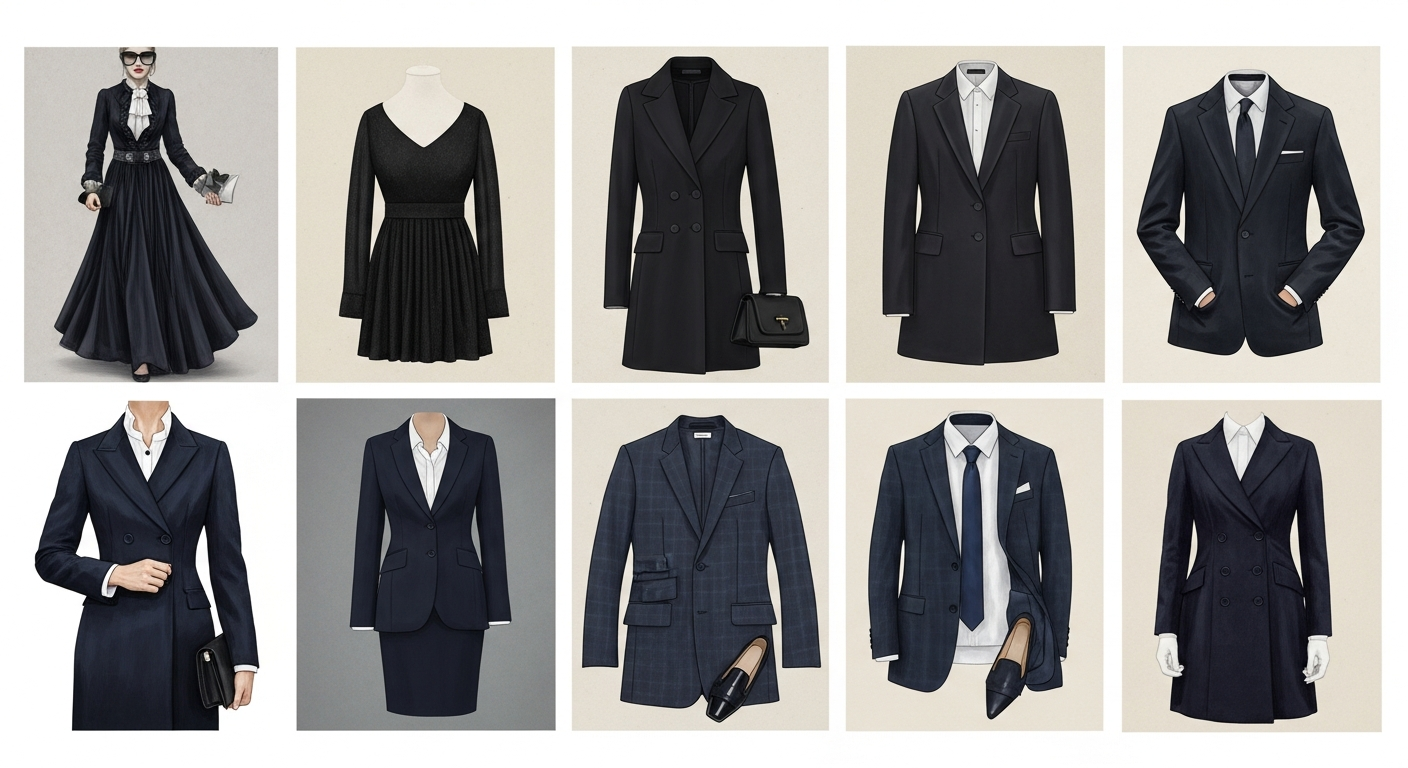
What to Wear to a Funeral is a question many people ask when they are attending a service for a loved one or friend. Choosing the right clothes shows respect for the family and the ceremony. Funerals are sensitive occasions, and the wrong outfit can make others uncomfortable. It is important to pick clothing that is simple, modest, and respectful. Traditionally, dark colors like black, navy, or gray are considered appropriate, but depending on the culture or personal preferences of the family, other muted colors can also be acceptable. The main goal is to honor the deceased and show that you are taking the event seriously.
Avoid bright colors, flashy patterns, or casual clothing such as jeans, t-shirts, or sneakers, as these can seem disrespectful. Accessories should be minimal, and shoes should be clean and neat. For women, dresses or skirts that are knee-length or longer, paired with a simple top or blouse, are often preferred. Men usually wear a suit, dress pants with a collared shirt, or a conservative blazer. Comfort is also important because funerals can be long and involve standing or walking. Some funerals are held in places of worship, where conservative clothing is especially expected. In addition to clothing, consider your personal grooming. Hair should be tidy, makeup should be simple,
Understanding Funeral Attire Traditions
Cultural and religious traditions play a key role in funeral attire. In many Western cultures, black is the traditional color of mourning, while in some Asian cultures, white is preferred. It is important to be aware of the customs of the family hosting the funeral. If unsure, ask a family member or check the funeral announcement for guidance. Some families prefer formal attire, while others may ask guests to dress more casually or even wear a specific color to honor the deceased. Being aware of these preferences shows thoughtfulness and respect.
Dressing Children for a Funeral
Children attending a funeral should also dress modestly and respectfully. Boys can wear dress pants with a collared shirt, and girls can wear a simple dress or skirt and blouse. Parents should ensure that their children’s clothes are neat, clean, and comfortable. Children’s shoes should also be simple and appropriate, avoiding sneakers or brightly colored footwear. Families may also consider the location and weather when choosing attire for children. For example, an outdoor service may require a light coat or comfortable shoes suitable for walking on grass or uneven surfaces.
Choosing Accessories for a Funeral
Accessories should always be minimal. Avoid large, shiny, or flashy jewelry that may distract others. Watches, small rings, or simple necklaces are usually acceptable. Bags and purses should be small and understated. Hats may be worn in certain traditions, but they should be simple and not draw attention. Hair should be neat and clean, and makeup should be natural and subdued. Remember that funerals are not events for fashion statements. The focus should always be on the service, remembrance, and support for the grieving family.
Footwear: Comfort and Respect
Footwear is an important part of funeral attire. Closed-toe shoes are generally preferred, and casual footwear should be avoided. Women often wear simple flats or low-heeled shoes, while men usually choose black or dark brown dress shoes. Make sure your shoes are clean and polished. If the funeral involves walking outdoors, consider shoes that are comfortable and safe for the terrain. Avoid anything that could make noise or distract during the ceremony.
Considering Your Relationship with the Deceased
What to wear to a funeral can also depend on your relationship with the deceased. Close family members may choose more formal attire, such as full suits or long dresses, while friends or colleagues may opt for simpler, conservative outfits. Dressing appropriately is a way to honor the relationship you had with the deceased. Always aim for modesty, simplicity, and respect in all aspects of your outfit.
Seasonal and Weather Considerations
Weather and season should also be considered. During colder months, layering is useful, such as wearing a modest coat, scarf, or shawl. In warmer months, choose breathable fabrics that are still modest and respectful. Avoid clothing that is too casual for the season, like shorts or tank tops. Keeping a jacket or cardigan on hand can help adjust to changing temperatures while maintaining a proper look.
Mistakes to Avoid When Dressing for a Funeral
Avoid flashy clothing, bright colors, or casual wear like jeans and t-shirts. Do not wear revealing outfits or heavy makeup. Over-accessorizing or wearing attention-grabbing shoes should also be avoided. Remember, the focus should be on honoring the deceased and supporting the family.
How to Show Respect Through Your Outfit
Your outfit communicates empathy and understanding. Simple, clean, and modest clothing shows that you respect the ceremony and care for the family. Your demeanor, along with your attire, reflects thoughtfulness and compassion. Being prepared in advance reduces stress and allows you to focus on the purpose of the funeral.
Conclusion
Dressing appropriately for a funeral shows respect, empathy, and understanding. Choosing modest, simple, and clean clothing ensures that attention remains on honoring the deceased and supporting the grieving family. Considering culture, tradition, weather, and your relationship to the deceased will help you make the right choices. Your outfit is a silent way to show care, and when chosen thoughtfully, it allows you to participate respectfully in the service.
FAQs
Q: Can I wear colors other than black to a funeral?
A: Yes, muted or dark colors like navy, gray, dark green, or maroon are usually acceptable. Avoid bright or flashy colors unless the family requests otherwise.
Q: Are casual clothes allowed at funerals?
A: Generally, casual clothes like jeans, t-shirts, or sneakers are not appropriate. Some families may have specific requests, so check ahead if unsure.
Q: How should children dress for a funeral?
A: Boys can wear dress pants with a collared shirt, and girls can wear a simple dress or skirt and blouse. Shoes should be neat and appropriate, avoiding bright colors or casual footwear.