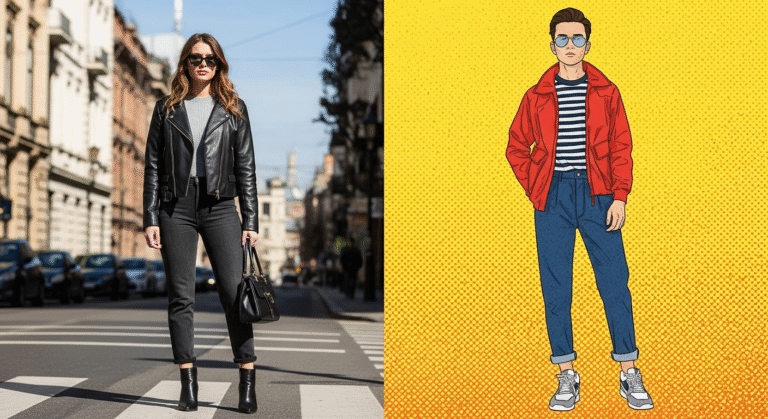

Comme des Garcon is not only a fashion brand, it is a movement, which changes the borders of art, design and self-expression. The brand was established in 1969 by a Japanese designer called Rei Kawakubo who was a visionary with a cult-like following that views fashion not only as a style, but as a statement. Comme des Garcons has over the decades closed the divide between avant-garde exploration and street authenticity, transforming the fashion culture in the world. With the streetwear-saturated environment of the modern world, the role of CDG only keeps on changing – combining luxury with rebellion, minimalism with chaos and creativity with comfort.
A Vision of an Avant-Garde Birth of CDG
Rei Kawakubo did not intend to abide by the fashion norms; rather, she intended to violate them. Comme des Garcans caused a shock to the western fashion world when it made its debuts in Paris in the early 1980s. The deconstructed clothes, monochrome colors and unfinished garments used by models walked the runway, which collided with the glamorous excess of that era. This anti-fashion strategy turned out to be the DNA of the brand. The philosophy of Kawakubo lies in the conceptual design, i.e. clothing, which questions the perception, not just making the wearer pretty. The collections narrate stories, usually breaking the gender line, breaking the form, and challenging beauty.
The metamorphosis of Avant-Garde into a Streetwear Icon.
Even though Comme des Garcans was initially a small avant-garde brand, evolution into a streetwear giant was achieved due to clever partnerships and brand extensions. Anywhere between 2000 and 2008, CDG started introducing sub-labels such as Play, CDG Hoodie and BLACK Comme des Garcon, the labels all catering to various markets. The famous heart-shaped logo, with eyes, created by an artist Filip Pagowski was a worldwide icon of witty rebellion.
The partnerships with Nike, Converse, Supreme, and Stüssy brands, among others, made CDG present its artistic brand to the street culture. In a second, what used to be regarded as a runway only item was a necessity of sneakerheads and streetwear enthusiasts.
Combining the accuracy of Japanese craftsmanship and the roughness of the street culture, Comme des Garcon managed to show that high-end design and wearable could co-exist.
The Philosophy of CDG
The underlying principle of Comme des Garçons is Rei Kawakubo’s belief in creating from destruction. She has repeatedly remarked that perfection, symmetry, and consistency are not the beauty and that they are imperfect and asymmetrical. Every piece of clothing, line, and idea represents her urge to break our perception of the world. Instead of being trendy, CDG invents them, and sometimes they are several years ahead of the rest of the fashion industry. It is this independence that has won the brand enormous respect in the eyes of designers, stylists and fashion scholars. Kawakubo does not often comment on her collections, and it is possible to interpret them. The fact that it is a mystery makes it more captivating and fascinating, letting the fans develop a personal attachment towards the brand image of beauty and defiance.
Aesthetic of Comme des Garcon – Deconstruction into Art
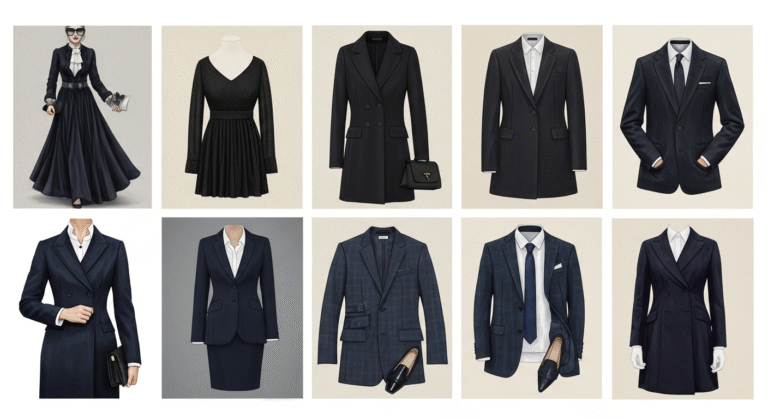
The aesthetic of CDG can be described in a single word: deconstruction. Each individual work is deliberately flawed–cut, torn or overlaid with things that should not be there. The color scheme tends to be harsh blacks, white, and red, which represent the contrast and intensity. This unique style makes Comme des Garçons easily identifiable. Out of gigantic figures to asymmetrical cuts, all pieces reflect artistic defiance. This aesthetic, bold, unconventional and conceptual is even reflected in the perfumes and retail stores of the brand.
Every Comme des Garçons store globally resembles a gallery set-up, rather than a boutique. Kawakubo works with architects and artists to create a space that induces emotion and curiosity to give their shopping experience a better.
Streetwear vs. High Fashion: A Cultural Change.
The emergence of streetwear as a luxury fashion is significantly attributed to the work of such brands as Comme des Garçons. The power of mixing worlds was people before collaborations became the order of the day, CDG Shirt had already adopted it. The formation of CDG as a joint venture with Supreme in the early 2010s signified the beginning of a new chapter of skate culture and high-end fashion blur. The collaboration sold immediately, which is an indicator of the expanding popularity of streetwear in the luxury market. The brand is also still an inspiration to younger designers nowadays who strike a balance between comfort, culture and creativity. The combination of conceptual fashion and wearable street style has transformed the way people understand fashion-forward.
The reason Why Comme des Garcons Still Matters Today
Comme des Garcons has stood the test of time in an era where fashion designs are in and out within a few days. Its designs are not that of fitting in but one that stands out. The brand keeps on changing every season, and it does not forget its main philosophy, which is creativity over conformity.
Whether in limited-edition sneakers or conceptual runway collections, CDG has created a universe in which the avant-garde design is combined with practical wearability. Its capacity to be intellectual and at the same time accessible makes it relevant to both the luxury and street wear enthusiast.
The Future of Fashion is in the Dare to be Creative.
Comme des Garcans is the boldness to do things in another way. The brand of Rei Kawakubo in a world of trends is a symbol of innovation, authenticity, freedom of art. With fashion ever becoming a blend of digital culture and streetwear aesthetics the legacy of CDG helps us remember that the only way to be truly stylish is not about being perfect but having a vision, being an individual, and letting that vision speak out without fears. Ultimately Comme des Garcans is not merely fashion, it is a philosophy of rebellion that has continued to influence how we view art, fashion and ourselves.