
We tend to believe that we are rational and that we make well-considered decisions about risks and rewards. However, our brains are designed in such a manner that probability is a tricky concept. Probability blind spots are situations in which our brain is wrong about what it thinks is likely to happen, whether it over sensationalizes uncommon victories or common situations. These blind spots may influence decisions on the trivialities of running errands in the digital age.
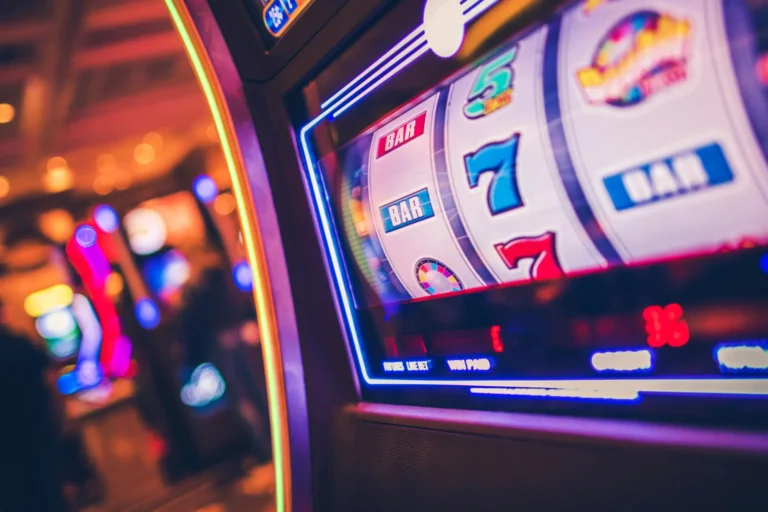
Use web-based casinos such as Vave Casino Italy or Vave Casino Poland. In this case, it is the excitement of a lucky day programmed into spinning wheels or random payments. Not only is it gambling, but it is also a behavioural laboratory that demonstrates how human beings react to probabilities we are not entirely aware of. The dopamine loop triggered by anticipation and uncertainty is more exciting than the actual outcome.
| Everyday Situation | Expected Outcome | Common Misjudgment | Why We Misjudge |
| Lottery | Almost zero chance of winning | Overestimation | Overweighting rare events |
| Health Screening | Moderate probability | Underestimation | Lack of statistical literacy |
| Online Gaming | Variable success | Overconfidence | Dopamine-driven reinforcement |
Neuroscience Neural Background to Misjudgment of Probabilities.
The brain does not reason in terms of pure logic. The prefrontal cortex attempts to balance the risks, whereas the amygdala tends to hijack emotional reactions. Dopamine release is greater when there is an unexpected reward than when there is an expected success, and hence, a rare win is better than an expected win.
This neural reward system influences behavior in minute ways. In cases of random results, such as the bonus round in a digital slot game at Vave Casino Italy, our minds encode them as disproportionately significant. This eventually develops into an anticipation rather than the calculation patterns.
Probability Blind Spots in cyberspace.
Digital life increases our likelihood of making poor judgments about probabilities. Internet applications are designed to exploit fluctuating rewards and cognitive biases. Random notifications, likes, or jackpot moments create instant gratification loops that mimic the unpredictability of traditional gambling.
Take the mechanics of Vave Casino Poland into account. Games in this category use variable-ratio schedules; rewards are not delivered regularly, but often enough to keep users interested. This becomes precisely the sort of pattern that will take advantage of probability blind spots, inducing long-term involvement without any real awareness of real odds.
| Digital Environment | Misjudged Probability | Real Probability | Effect on Behavior |
| Online Casino | Winning jackpot | <0.01% | Frequent play, overbetting |
| Social Media | Going viral | <0.1% | Constant posting, engagement addiction |
Decision-making is influenced by blind spots in probability, even when it is not related to gambling. From online shopping purchases to viral posts, our brains respond more to unlikely events and undervalue ordinary dangers, which makes the process of online interaction and dopamine-induced decision-making a loop.
Expert Assessment
The intersection between behavioral economics and neuroscience is why the issue of probability blind spots drives contemporary existence. Being aware of such trends can help us manage the digital world more consciously, whether by regulating screen time, learning about randomized rewards, or simply remembering that our brains respond to infrequent victories. Sites such as Vave Casino Italy and Vave Casino Poland are not purely entertainment sites but actual world applications of the perception of probability.