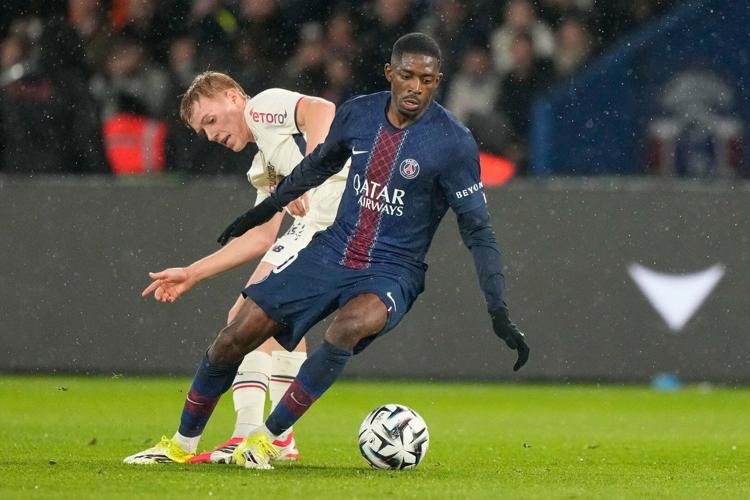

The 2021–22 Ligue 1 season was dominated by Paris Saint‑Germain in the title race, but several other major clubs offered distinct attacking and defensive profiles that mattered just as much once you started thinking in terms of betting slips rather than trophies. By examining how PSG, Marseille, Monaco, Rennes, Nice and Lyon actually performed across 38 matches—rather than relying on reputation—you can build a structured pre‑match view of which “big” sides were reliable, which ones were volatile, and how those traits should influence your decisions before you commit to a bet.
Which clubs counted as “big teams” in 2021–22 and why that matters
Before you can judge form, you need to define which Ligue 1 sides genuinely belong in the “big club” bracket for betting purposes. In 2021–22, PSG, Marseille and Monaco finished first, second and third, with Rennes, Nice and Lyon widely seen as major names based on quality, budgets or European ambitions, even when their points totals differed. This informal tiering influences odds every week, because bookmakers and casual bettors both start from the assumption that these clubs “should” dominate, creating situations where the price you see reflects brand strength as much as current performance.
How the table and goals data framed each big club’s season
The final table yields concise signals about where each big team stood in terms of points and goal balance, which is a critical starting point for pre‑match assessment. PSG topped the league with 86 points, while Marseille and Monaco followed with 71 and 69 respectively, and Rennes, Nice and Lyon occupied the European and upper‑mid positions behind them. Goal numbers sharpen the picture: PSG’s 90 scored and 36 conceded, Rennes’ 82 scored, and Nice’s 36 conceded all hint at very different match patterns that translated straight into typical odds on wins and totals.
Table of key indicators for the main big clubs
To make these differences actionable, it helps to compare core indicators side by side using final 2021–22 data on points, goals and defensive records.
| Club | Points | Goals For | Goals Against | Goal Difference | Form cue for bettors |
| PSG | 86 | 90 | 36 | +54 | Heavy favourite, strong in both scoring and control. |
| Marseille | 71 | 63 | 38 | +25 | Balanced contender, often in tighter, managed games. |
| Monaco | 69 | 65 | 40 | +25 | Attack‑driven, some defensive openness. |
| Rennes | 66 | 82 | 40 | +42 | Very high attacking output, matches trend toward goals. |
| Nice | 66 | 52 | 36 | +16 | Defence‑focused, many lower‑scoring contests. |
| Lyon | mid‑table | Strong scoring, weaker conceding | Moderate difference | Unbalanced profile, riskier to trust defensively. |
For pre‑match analysis, this table is not just trivia: it indicates where odds on favourite wins, overs, unders or both‑teams‑to‑score are supported by long‑run patterns rather than single‑match narratives. For example, PSG’s combination of high goals scored and low goals conceded justifies them anchoring many accumulator slips, while Rennes’ attacking explosion makes a stronger case for goal‑based bets than for trusting them to grind out narrow 1–0 wins.
What PSG’s dominance really meant for betting decisions
On the surface, PSG’s 10th Ligue 1 title and 90‑goal tally suggested that backing them blindly would have been a straightforward strategy, but the betting reality was subtler. Because markets priced PSG as overwhelming favourites in most matches, the odds on simple win bets were often extremely short, meaning that a single upset could wipe out profits from several successful wagers. The more nuanced takeaway for pre‑match analysis is that PSG’s combination of elite forwards and a defence conceding only 36 goals encouraged alternative angles—team‑total goals, handicaps, or multi‑goal win margins—where the price better reflected their true probability edge.
How Marseille’s control‑oriented style shaped risk and reward
Marseille finished second with 71 points, 63 goals scored and 38 conceded, reflecting a side that generally managed games well without posting the explosive scoring numbers of PSG or Rennes. For bettors, this profile supported expectations of more controlled contests where one‑goal wins, clean sheets, and narrower margins appeared more frequently, especially against mid‑table or weaker opposition. When assessing a Marseille match pre‑kick‑off, this means weighing whether a lower‑scoring home victory or disciplined away performance is more probable than a wild goal fest, which in turn affects how attractive the odds on unders, exact‑score brackets or conservative handicaps appear.
Why Monaco and Rennes demanded a different pre‑match lens
Monaco and Rennes both produced substantial attacking numbers—65 and 82 goals respectively—yet their defensive figures kept them from matching PSG’s level of control over results. Monaco’s blend of strong forward play and a defence that conceded 40 goals pointed toward matches where both scoring and being scored upon remained common, raising the appeal of both‑teams‑to‑score and overs markets when they faced open opponents. Rennes, with 82 goals and a similarly moderate defensive record, represented an even more extreme version of this pattern, inviting bettors to focus pre‑match analysis on tempo, opponent style and the likelihood of end‑to‑end sequences rather than on narrow win‑only bets.
Mechanisms behind attack‑heavy big teams and betting implications
The way these attacking sides created chances shaped how reliable they were as favourites. When a club’s goals come from sustained pressure, high shot volume and multiple contributors—as Rennes’ scoring spread indicated—temporary dips in individual form are less likely to derail their output, which supports a more stable expectation of goals per game. In contrast, teams relying heavily on one star scorer or transition‑heavy patterns can see bigger swings: if the key forward is missing or opponents sit deeper, their attack becomes easier to contain, making overs and handicap bets more fragile even when season totals look impressive. Understanding whether Monaco or Rennes were closer to multi‑source creators or star‑dependent finishers was central to judging the risk of goal‑focused slips in specific fixtures.
Where Nice and Lyon fit into big‑club pre‑match thinking
Nice and Lyon completed the group of major clubs that demanded close inspection before any bet went onto a slip. Nice’s defensive record—only 36 goals conceded, tied with PSG for the fewest—signalled a team comfortable in lower‑scoring, compact matches, which naturally shifted the pre‑match conversation toward unders, low‑margin handicaps and the risk of stalemates against other organised sides. Lyon, on the other hand, combined strong attacking numbers with a looser defensive structure, pulling many of their games into higher‑variance territory where favourites could still be drawn into shoot‑outs, increasing both the upside and downside of backing them without protective lines.
Using structured environments to convert big‑club form into actual bets
Once you have a clear mental map of these big teams’ form from 2021–22, the next step is aligning that analysis with the concrete options presented where you actually place your wagers. When an online betting site clearly displays French league fixtures, handicaps, and goal lines alongside historical trends, it becomes easier to transform insights about PSG’s dominance, Rennes’ attacking profile or Nice’s defensive solidity into specific market choices. Within that situational context, a bettor who logs in regularly to ufabet benefits from seeing Ligue 1 big‑club games framed in a consistent way each week, making it simpler to track whether the odds on PSG’s handicaps, Marseille’s unders or Monaco’s both‑teams‑to‑score lines are moving toward or away from the patterns revealed by the 2021–22 season, and to record how each type of decision performs over time rather than treating every slip as an isolated gamble.
Pre‑match checklist for big‑club games before you “write the bill”
To avoid making decisions based purely on club prestige or recent highlights, a pre‑match checklist focused on 2021–22 form can stabilise your thinking before you finalise any big‑club bet. The idea is to force yourself to consider a small set of objective questions that connect directly to how these teams actually behaved across the season.
A simple checklist could look like this:
- Identify which of the big clubs is involved and where they sit in the 2021–22 hierarchy.
- Compare their season goals for and against, plus goal difference, to see whether they are control‑oriented, attack‑heavy or defence‑first.
- Check whether their opponent tends to encourage open or closed games, especially in terms of goals scored and conceded.
- Review key absences that could disrupt either attacking fluency or defensive stability.
- Decide whether the match profile points more strongly toward win‑type bets, handicaps, or goal‑related markets.
Working through this sequence before “writing the bill” pushes you to anchor decisions in recurring patterns instead of the noise of one recent match. If PSG are at home against a weak defence, the checklist will usually point toward some combination of win and goals; if Nice host another organised side, it should steer you toward lower totals or cautious handicaps; if Rennes face a mid‑table team with leaky defending, it will highlight the goal‑heavy scenarios that repeatedly characterised their 2021–22 campaign.
Summary
For bettors evaluating Ligue 1’s 2021–22 big clubs before placing a bet, the key is to treat PSG, Marseille, Monaco, Rennes, Nice and Lyon as distinct risk profiles rather than a single “top‑team” category. PSG and Marseille offered more controlled outcomes that suited win and handicap bets, Monaco and Rennes drew matches into high‑goal, higher‑variance territory, and Nice and Lyon sat at opposite ends of the defence–attack balance, requiring different expectations on totals and both‑teams‑to‑score. By combining these season‑long patterns with a consistent pre‑match checklist and a clear view of how specific betting markets map onto each club’s strengths and weaknesses, you can move from instinct‑driven slips to decisions grounded in how Ligue 1’s biggest teams genuinely performed across 2021–22.