
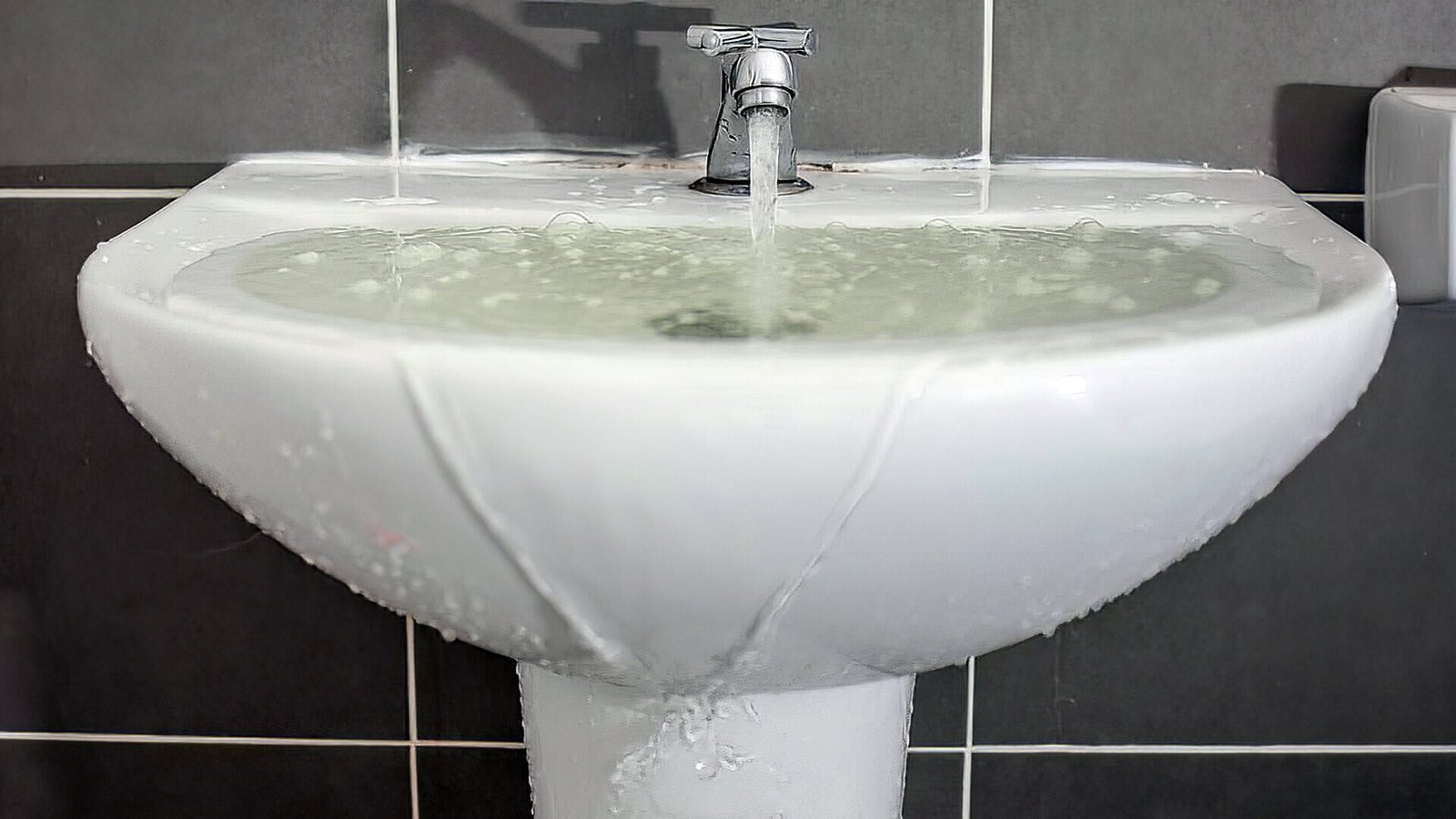
Plumbing leaks are a common cause of drains that won’t move in homes and businesses that have water issues. It may only show up at first as slow drains or weak smells. In the meantime, they might get worse quickly, leading to flooding, property damage, and more costs to fix. Here are some things to keep an eye out for and quick fixes you can do right away when drains get clogged. Larger issues will not happen again, and your water system will work at its best. If your lines get clogged often or poorly, you should talk to a drainage plumber in Brisbane. They have the right tools to find and fix any issues before they get worse and cause more harm to your hardware or home.
Common Causes Of Blocked Drains
Drains usually get clogged up with diner grease, oil, and food scraps over time. Tossing hot grease down the drain might not seem dangerous at first. While it’s cooling, it gets stronger and better sticks to the pipe walls. This makes the pipes smaller over time, which traps even more things inside them.
Hair, soap residue and personal care items tend to be at fault when it comes to bathroom clutter. When hair and soap scum stick together, the bathroom and water flow are slowed down. It’s possible for wipes, cotton pads, or cleaning supplies that say they can be removed to get stuck.
Outside drains can get clogged by the weather and other things in the area. Things that fall from trees, dirt, leaves, and rain can get into pipes and stop them. Tree roots are especially bad because they like it when it’s wet and can crack the pipe as they grow, causing more clogs and damage to the structure as they spread their roots further.
Warning Signs You Should Not Ignore
In most cases, sinks will let you know before they get really clogged. Long drain times in sinks, tubs, or toilets could mean something. It looks like something is stuck if this keeps happening for a long time. Before they can work right again, they might need to be cleaned out.
There may be bad smells coming from the sinks if the water is standing. Gurgling sounds might be caused by air getting stuck behind clogs that make it hard for water to flow through the lines properly.
Water can back up into drains, sinks, and toilets when there is a big blockage. Both toilets and water levels can rise quickly and without notice. This is all evidence of an impending blockage that needs to be fixed right away.
Quick Solutions For Minor Blockages
Small clogs or clogs that are just starting to form may be simple to clear out quickly and without much work. Putting hot water down the drain slowly can help get rid of soap and grease buildup in both the kitchen and the bathroom. Doing this regularly as preventative maintenance will work even better.
You can also get rid of things that are in the way of the light with tools. When you dive, you push trash out of the way with force to get the water moving again. It’s best to use the right tool with a tight lock.
Although drain strainers can’t fix problems right away, they can help keep them from happening. You can also get rid of things that block light with a shovel.
When Professional Help Is Needed
Some problems are easier to fix with help from a professional. The best thing to do most of the time is to get help from a pro. In the beginning, it might seem like a good idea to pour drain cleaner down the drain. But using them too often could damage your pipes and wires over time.
Heavy-duty tools like drain cams and high-pressure water jets help plumbers safely locate and clear sewer clogs. Really clogged soil lines, tree roots getting into the pipes, or water staying in.
These steps are very important when sewer lines keep getting clogged up, tree roots keep getting into them, or water problems keep happening.
Preventing Future Drain Issues
It’s cheaper and easier to fix drains that aren’t plugged. If you flush oil, grease, or food scraps down the toilet, problems will happen. Flushing toilet paper is not necessary. Instead, throw away trash the right way. Inspect the drain covers regularly; for older plumbing systems, it may also be wise to have regular inspections performed on them.