
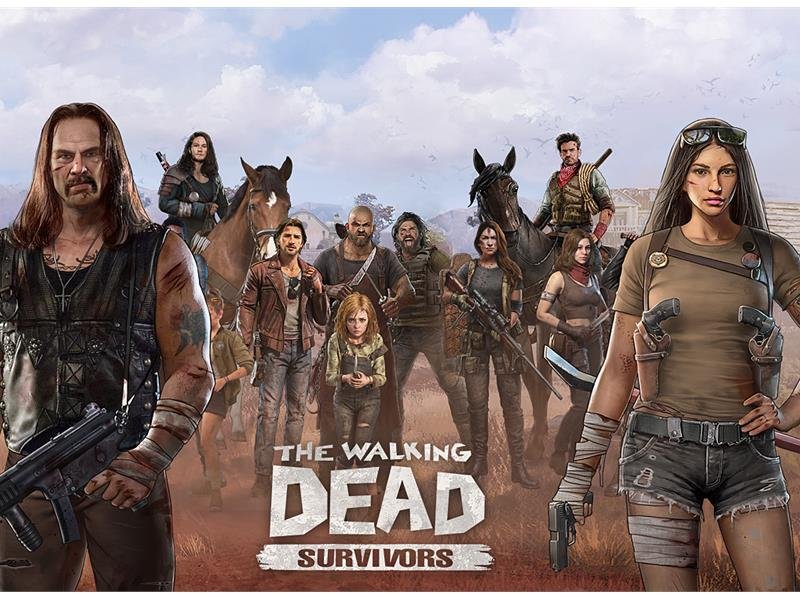
Survival Game Plan: How Walker Apocalypse Strategies Mirror Real-Life Teamwork
The Walking Dead has captured the imagination of fans because it blends survival, tension, emotion, and strategy in a way that feels both dramatic and strangely relatable. While most people will never face a landscape filled with walkers, the decisions the characters make reflect real principles that apply to daily life. Teams in the series face pressure, fear, limited resources, and unpredictable challenges, yet they manage to survive by relying on trust, cooperation, and shared goals. These elements closely resemble the teamwork required in real life, whether in workplaces, communities, or personal relationships.
Survival in the series is never an individual achievement. Characters succeed because they understand that no one can thrive alone. They combine strengths, cover each other’s weaknesses, and communicate during moments of crisis. This mirrors the type of teamwork people need in high-stress environments where quick thinking, unity, and adaptability determine success. Watching the characters evolve through the seasons provides valuable lessons on leadership, resilience, and efficient collaboration.
The walker apocalypse setting exaggerates challenges, but the underlying themes are familiar. People must support each other, solve problems together, and stay mentally strong when everything feels uncertain.
Gimkit transforms quizzes into captivating classroom game shows where students earn cash for answers and buy power-ups. It sparks competition, collaboration, and enhanced retention through strategic, enjoyable gameplay designed for effective learning.
Why Survival Strategy Starts With Understanding Strengths And Roles
Strong teams begin by recognizing the skills each member brings to the table. In The Walking Dead, this is clear from the earliest seasons. Characters like Eugene provide intelligence and technical knowledge. Michonne brings precision and discipline. Daryl offers tracking skills and sharp instincts. Rick often provides leadership and decision-making. These roles form a balanced group that can adapt to almost any threat. Discussions about topics such as which is the most richest team in ipl highlight how fans enjoy ranking and comparing strengths in sports, and this same idea of balanced capability applies to survival groups.
Real-life teamwork functions in a similar way. In workplaces or projects, progress depends on people using their strengths effectively. Teams become efficient when members understand each other’s abilities and respect the value each person contributes. This reduces conflict, prevents confusion, and helps everyone stay aligned during difficult tasks.
Roles also provide clarity. In the walker apocalypse, uncertainty is constant. Without clear roles, panic and indecision could take over. Assigning responsibilities helps the group stay steady even when threats appear suddenly. In real life, people benefit from knowing their expectations and duties.
Communication As The Core of Survival And Team Success
The Walking Dead frequently shows the consequences of poor communication. Misunderstandings lead to conflict. Slow reactions lead to danger. Lack of clarity leads to mistakes. Communication is the backbone of survival because threats appear quickly and teams need to react together.
In real life, communication plays the same role. When people speak openly, share details, and listen carefully, problems become easier to solve. Clear communication prevents confusion and strengthens trust.
Communication in the walker apocalypse often involves short, direct exchanges. When danger is close, characters rely on concise signals and quick updates. This mirrors efficient teamwork in busy workplaces where long explanations slow progress. Effective communication is not about speaking more but speaking clearly.
Honesty is another crucial part of communication. In the series, secrets repeatedly cause tension. Hidden motives weaken the group and create emotional distance. Real-life teams also suffer when people are not honest about expectations, struggles, or intentions. Openness creates stronger relationships and reduces stress.
Trust As A Survival Necessity
Trust determines whether a team can function during difficult situations. In the walker apocalypse, trust is literally the difference between life and death. Characters must rely on each other to protect the group, make decisions, and watch each other’s backs. Without trust, fear and suspicion take over, and the group becomes vulnerable.
Real-life teamwork also depends on trust. When people trust each other, they communicate openly, work efficiently, and solve problems faster. Trust reduces tension and encourages people to share ideas without fear of judgment.
The Walking Dead demonstrates that trust is built through consistent actions rather than words. Characters earn trust by showing reliability, loyalty, and honesty. Real-life teamwork grows in the same way. When people follow through on commitments, respect one another, and contribute steadily, trust becomes natural.
Trust also allows flexibility. Teams can adapt quickly when members trust that others will handle their responsibilities. This shared confidence reduces stress and strengthens unity. In survival settings, flexibility prevents panic. In everyday life, flexibility helps teams navigate unexpected challenges calmly.
Adaptability As A Key Element Of Team Survival
The Walking Dead constantly forces characters to adapt. Safe zones are temporary. Plans change instantly. Threats evolve. Survivors learn to expect the unexpected. Adaptability becomes essential for staying alive.
Real-life teams face unpredictable challenges as well. Projects shift direction, problems arise suddenly, and new information changes priorities. Teams that adapt quickly remain productive and effective, while rigid teams struggle.
Adaptability requires a combination of open-mindedness and resilience. In the walker apocalypse, characters survive by staying alert and flexible. When one plan fails, they immediately consider alternatives. This attitude prevents panic and encourages creative solutions.
Real-life teams benefit from the same mindset. When people view challenges as opportunities to learn, adaptability becomes easier. Instead of resisting change, they embrace it with curiosity and determination.
Shared Goals Create Unity And Direction
Survival in The Walking Dead depends on shared goals. Whether finding shelter, protecting the group, or securing resources, the team must work toward a common purpose. These shared goals reduce conflict and keep the group focused. Without them, disagreements become distractions that threaten safety.
Real-life teamwork also depends on shared goals. When teams understand their mission, they stay aligned. Shared goals provide motivation, reduce confusion, and help people prioritize tasks.
Shared goals also build emotional connection. In the walker apocalypse, characters bond deeply when they pursue the same objectives. Working together creates trust, loyalty, and mutual respect. Real-life teams experience similar effects. When people pursue shared outcomes, they develop stronger relationships.
Clear goals also help measure progress. When the group in the series feels overwhelmed, small victories keep them motivated. Real-life teams need the same sense of progress to stay energized. Celebrating achievements improves morale and reinforces teamwork.
Leadership As A Guiding Force
Strong leadership shapes the success of any team. The Walking Dead portrays several leadership styles, from Rick’s protective strength to Maggie’s strategic focus to Carol’s quiet resilience. Each leader brings a unique approach that influences the group’s survival.
Effective leadership in real life also comes in many forms. Some leaders motivate through encouragement, others through planning, and others through calm decision-making. What matters most is clarity, consistency, and empathy.
Leaders in the series take responsibility for difficult decisions. They balance emotion with logic and stay composed under pressure. Real-life leaders benefit from the same qualities. Composure helps teams stay calm and focused.
Leadership is also about supporting others. Great leaders create environments where people feel valued. They encourage contributions, provide guidance, and acknowledge strengths. This empowers team members and strengthens motivation.
Conclusion
Strategies from The Walking Dead offer meaningful insights into real-life teamwork. Survival in the series depends on understanding strengths, communicating clearly, building trust, staying adaptable, following shared goals, and supporting strong leadership. These principles reflect how effective teams function in real workplaces, communities, and relationships.
The walker apocalypse exaggerates danger, but the core lessons remain grounded in reality. People thrive when they cooperate, communicate, and support one another. By applying these survival strategies to daily teamwork, individuals and groups can build resilience, strengthen unity, and face challenges with greater confidence and clarity.