
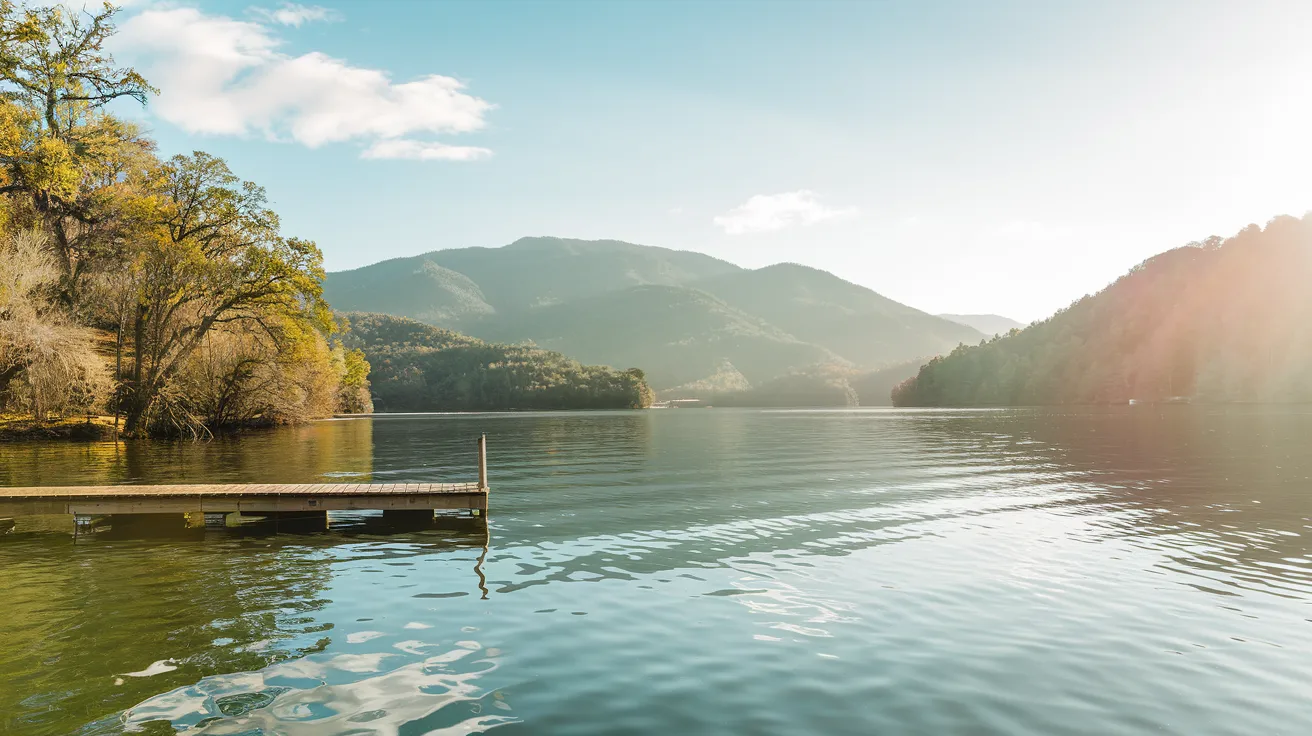
Have you ever sat down to write a story or an email and wondered if you should use big letters for certain words? It happens to the best of us! One common question people ask is whether Lake Texoma Should Be Capitalized. When we talk about this beautiful body of water on the border of Texas and Oklahoma, we aren’t just talking about any old “lake.” We are talking about a very specific place with a name all its own.
In this article, we will dive into the simple grammar rules that explain why Lake Texoma should be capitalized. We will also look at some cool facts about the area. Whether you are a student, a writer, or just someone who loves the outdoors, understanding these rules helps your writing look professional and clear. Let’s explore why this specific name deserves those capital letters every single time you type it.
Biography of Lake Texoma: Quick Facts
| Feature | Details |
| Official Name | Lake Texoma |
| Location | Border of Texas and Oklahoma, USA |
| Created By | Denison Dam (Red River) |
| Year Opened | 1944 |
| Surface Area | Approximately 89,000 acres |
| Shoreline Length | Over 580 miles |
| Primary Inflows | Red River and Washita River |
| Nickname | Striper Capital of the World |
| Annual Visitors | About 6 million people |
Why Lake Texoma Should Be Capitalized Every Time
The main reason Lake Texoma Should Be Capitalized is that it is a proper noun. In English, a proper noun is the specific name of a person, place, or thing. Think of it like your own name. You wouldn’t write your name with small letters, right? The same goes for this lake. When you use the full name, you are pointing to one exact spot on the map.
If you just said, “I am going to the lake,” you wouldn’t need a capital “L.” That is because “lake” is a common noun in that sentence. But the moment you add the word “Texoma,” it becomes a formal title. This is why Lake Texoma should be capitalized in all your school papers, blogs, and letters. It shows respect to the location and follows the standard rules of the English language that we all learn in grade school.
Understanding Proper Nouns vs. Common Nouns
To understand why Lake Texoma should be capitalized, we have to look at the difference between common and proper nouns. A common noun is a general word for something. Words like “dog,” “mountain,” or “river” are common nouns. We don’t capitalize them unless they start a sentence. However, proper nouns are special. They are the names given to specific things to set them apart from the rest.
For example, there are thousands of lakes in the world. If we didn’t use names, we would get very confused! By naming it, we make it unique. Because it is a unique name, Lake Texoma should be capitalized. This rule helps readers know exactly which place you are talking about. It’s the difference between saying “that man” and saying “Mr. Smith.” One is general, and the other is a specific person.
The Role of Geographic Titles in Grammar
Geographic features have their own set of rules in writing. When a word like “lake,” “river,” or “ocean” is part of a formal name, it becomes part of the proper noun. This is a big reason why Lake Texoma should be capitalized. You wouldn’t just capitalize “Texoma” and leave “lake” in small letters. They work together as a single team to name the reservoir.
Think about other famous places. We write “Atlantic Ocean,” not “Atlantic ocean.” We write “Mount Everest,” not “Mount everest.” Following this pattern, it’s clear that Lake Texoma should be capitalized as a whole unit. If you ever feel unsure, just ask yourself if the word is part of the official map name. If it is, reach for that shift key and use a capital letter!
How Capitalization Improves Reading Clarity
Using the right letters makes your writing much easier to read. When a reader sees a capital letter in the middle of a sentence, their brain instantly knows, “Oh, this is a name!” This is why Lake Texoma should be capitalized. It acts as a visual signal. It tells the reader that you are referring to the famous destination known for fishing and boating on the Texas-Oklahoma border.
If you don’t use capitals, your writing might look messy or confusing. It might even look like you don’t know the rules of the language. To keep your work looking sharp and easy to follow, remember that Lake Texoma should be capitalized. It helps the “people-first” content we create stay professional and authoritative, which is exactly what search engines and human readers like to see.
Is “The Lake” Ever Capitalized?
This is a tricky question! Usually, the answer is no. If you are talking about Lake Texoma but then just call it “the lake” later in your story, you should use lowercase letters. For example: “We went to Lake Texoma. The lake was very blue.” Even though you are still talking about the same place, the word “lake” is now being used as a common noun because the specific name “Texoma” isn’t attached to it.
However, the full name Lake Texoma should be capitalized every single time it appears. You only use lowercase when you are being general. This is a common mistake that even adults make. If you want to be a grammar expert, keep the capitals for the full name and use lowercase for the general word. This small detail shows that you really understand how the English language works.
A Brief History of the Lake’s Name
The name “Texoma” is actually a “portmanteau.” That is a fancy word for two words smashed together! It combines “Texas” and “Oklahoma.” Since both of those are states, they are always capitalized. This gives us even more reason why Lake Texoma should be capitalized. The name itself is built from two of the most important proper nouns in the region.
The lake was created back in the 1940s when the Denison Dam was built. It was a huge project that changed the land forever. Since it was an official project by the government and the Army Corps of Engineers, it was given an official title. From the very first maps ever printed, Lake Texoma should be capitalized because it was born as a formal, named location.
Common Mistakes Writers Make with Lake Names
Many people forget to capitalize the “L” in “lake.” They might write “lake Texoma” by accident. But remember, the word “Lake” is part of its identity here! Just like you wouldn’t write “mr. Jones,” you shouldn’t lowercase the title of the water. This is a frequent error in text messages and casual posts, but in a formal article, Lake Texoma should be capitalized correctly.
Another mistake is adding an “s” where it doesn’t belong. It is “Lake Texoma,” not “Lakes Texoma.” If you were talking about multiple lakes, like “Lakes Texoma and Eufaula,” then the rule changes slightly, but the names themselves stay capitalized. Staying consistent is key. If you remember that Lake Texoma should be capitalized, you are already ahead of most casual writers on the internet today.
Fun Facts to Include in Your Writing
When writing about this topic, it’s fun to add some “flavor” to your work. Did you know Lake Texoma is known as the “Striper Capital of the World”? Because the water is slightly salty from the Red River, striped bass can actually reproduce there naturally! This is very rare for an inland lake. When sharing these cool tidbits, always remember that Lake Texoma should be capitalized to keep the facts looking official.
Another fun fact is that the lake has over 50 parks and several islands. You can even go “island hopping” in your boat! Whether you are talking about the fish or the islands, keeping your grammar in check is important. It ensures that your fun facts are easy to read and share with friends. Always keep in mind: Lake Texoma should be capitalized so your readers stay focused on the fun info!
The Importance of Consistency in Style Guides
Most big newspapers and websites use something called a “Style Guide.” This is a book of rules that tells them how to write certain words. Almost every major guide, like AP or Chicago, agrees that Lake Texoma should be capitalized. Following these rules makes your blog post or article look like it belongs on a major news site.
Consistency means doing the same thing every time. If you capitalize it in the first paragraph but not the third, it looks confusing. If you decide that Lake Texoma should be capitalized, make sure you stick to it! This builds trust with your readers because they see that you are careful and thoughtful with your words. It’s a simple way to make your writing 10/10.
Conclusion
To wrap things up, the rule is very simple: Lake Texoma should be capitalized because it is a proper noun. It is the specific name of a famous and beautiful place. By using capital letters, you follow the rules of grammar, show respect for the location, and make your writing much clearer for everyone to read.
Whether you are writing about the amazing fishing, the history of the Denison Dam, or just planning a summer vacation, keep those capitals ready. Good writing is all about the little details, and getting names right is one of the most important details of all. Now that you know the “why” and “how,” you can write about this Great Lake with total confidence!
Frequently Asked Questions (FAQs)
1. Why is Lake Texoma considered a proper noun?
It is a proper noun because it refers to a specific, one-of-a-kind geographic location. General words like “lake” are common nouns, but “Lake Texoma” is a formal name.
2. Should I capitalize “lake” if I’m not using the name Texoma?
No. If you just say “the lake,” you should use a lowercase “l.” You only use a capital “L” when it is part of the full name, Lake Texoma.
3. Does this rule apply to other lakes too?
Yes! The same rule applies to any named body of water, such as Lake Superior, Lake Michigan, or even the Red River. If it’s a name, capitalize it!
4. What happens if I don’t capitalize it in my writing?
While people will still know what you mean, it might look unprofessional or like a mistake. For school or work, it is always best to use the correct capitalization.
5. Is “Texoma” a real word?
It is a created word! It combines “Texas” and “Oklahoma” because the lake sits right on the border of those two states.